
Home / Education & Prevention / Resources and Education Tools for Parents and Caregivers
Parents and Caregivers:
Resources and education tools to help keep your kids safe.
Quick Tips for Safe Adults:
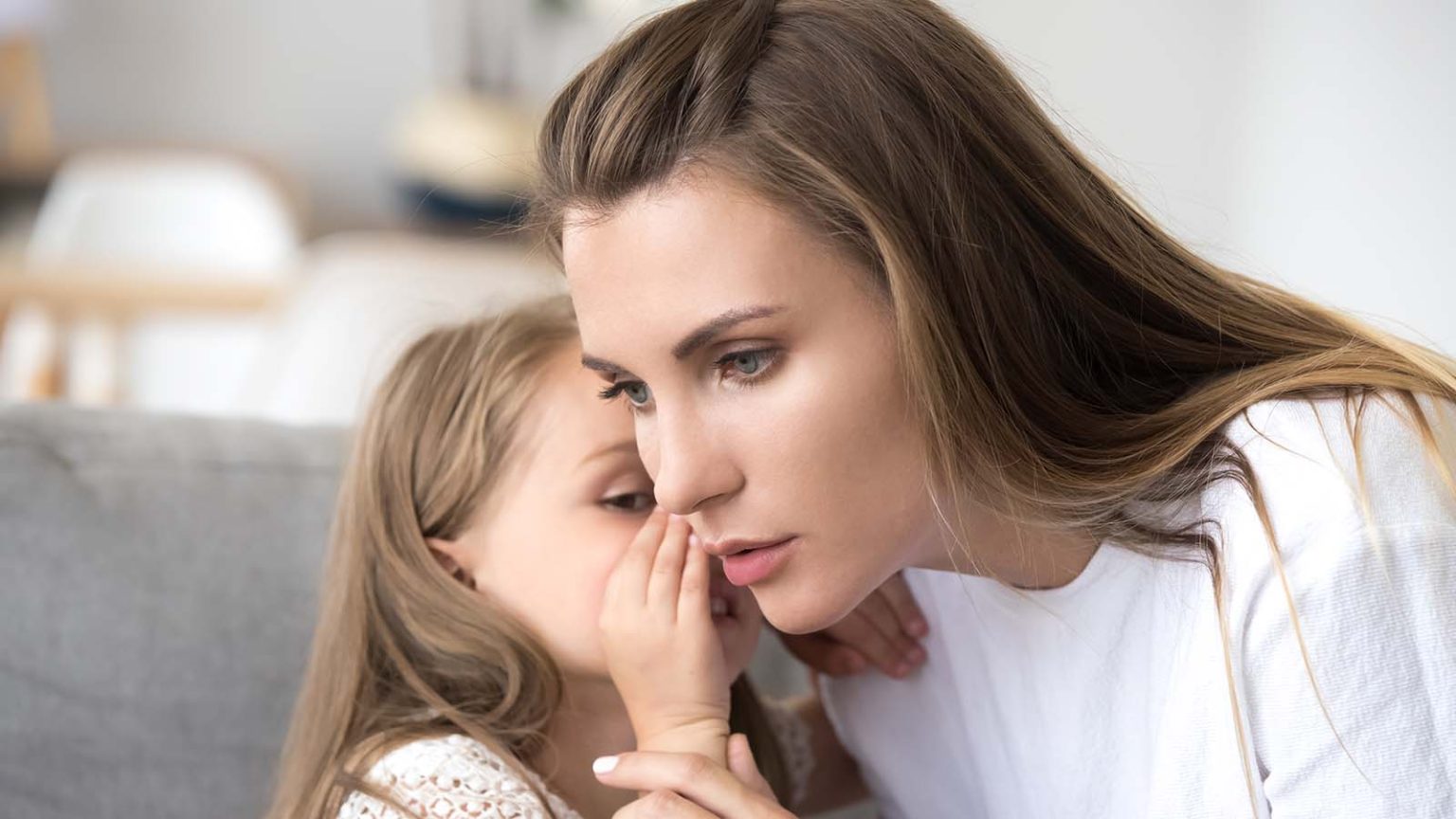
5 things you should know if a child discloses abuse to you:
- Stay Calm
- Immediately say, “Thank you for telling me. I believe you. It’s not your fault.”
- Avoid asking too many questions and don’t probe for details.
- Seek help right away and make a report (click here to learn more about how)
- Remember—the single biggest factor that contributes to a child’s healing after abuse is having a supportive parent or caregiver
Child Abuse FAQs
What is child abuse?
Under Pennsylvania Child Protective Services Law (CPSL), the term “child abuse” is defined as:
- Any recent act or failure to act by a perpetrator which causes nonaccidental serious physical injury to a child.
- An act or failure to act by a perpetrator which causes nonaccidental serious mental injury to or sexual abuse or exploitation of a child.
- A recent act, failure to act or series of the acts or failures to act by a perpetrator which creates an imminent risk of serious physical injury to or sexual abuse or exploitation of a child.
- Serious physical neglect by a perpetrator constituting prolonged or repeated lack of supervision or the failure to provide the essentials of life, including adequate medical care, which endangers a child’s life or development or impairs the child’s functioning.
The majority of cases referred to Children’s Advocacy Centers (CAC)s are for child sexual abuse allegations. However, CACs also respond to cases of child physical abuse, as well as extreme neglect and trafficking (Commercial Sexual Exploitation of Children, CSEC). Additionally, CACs also serve children who have suffered emotional trauma as witnesses to violence.
Sexual abuse occurs when an adult or another child asks or pressures a child for sexual contact. The abuser may use physical abuse, bribery, threats, tricks, or take advantage of the child’s limited knowledge of sexual matters. Sexual abuse can also include taking photos of the child, or showing them pornography through pictures, magazines, movies, online, etc.
Parents often warn children against “stranger danger” but in most cases of child sexual abuse, the perpetrator is not a stranger but a relative or close friend of the family.
Why should I report suspected child abuse?
Reporting child abuse is crucial to ensure the safety and well-being of children. When abuse goes unreported, it can continue, causing lasting harm. Reporting helps protect children from further harm and provides them with the support they need. It also holds the abuser accountable, preventing them from hurting others. By speaking up, you can make a difference in a child’s life, helping them escape from a harmful situation and receive the care they deserve. Remember, reporting child abuse is not only the right thing to do, but it’s also essential for building a safer and healthier community for everyone.
What are signs of child sexual abuse?
Physical Indicators
- Sleep disturbances
- Bedwetting
- Pain or irritation in genital or anal area
- Difficulty walking or sitting
- Difficulty urinating
- Pregnancy
- Positive testing for sexually transmitted disease
- Excessive or injurious masturbation
Behavioral Indicators
- Age-inappropriate sexual behavior
- Cruelty to animals
- Fire setting
- Withdrawal from friends and social activities
- Depression or anxiety
- Changes in personality or mood
- Fear of or sudden reluctance to be alone with someone
- Changes in academic performance
- Loss of appetite or changes in eating habits
- Self-harm
What are signs of child physical abuse?
Physical Indicators
- Unexplained injuries
- Unbelievable or inconsistent explanations of injuries
- Multiple bruises in various stages of healing
- Bruises located on faces, ears, necks, buttocks, backs, chests, thighs, back of legs, and genitalia
- Bruises that resemble objects such as a hand, fist, belt buckle, or rope
- Injuries that are inconsistent with a child’s age or developmental level
- Burns
Behavioral Indicators
- Excessive fear of caretakers
- Antisocial behavior
- Withdrawal from friends and social activities
- Depression or anxiety
- Changes in personality or mood
- Fear of or sudden reluctance to be alone with someone
- Changes in academic performance
- Loss of appetite or changes in eating habits
- Self-harm
What information do I need to report abuse?
When making a report of suspected child abuse or general child well-being concerns, it is important to provide as much information as possible.
The below list will give you a general idea of what information you’ll be asked to provide:
- Name and physical description of the child
- Age or approximate age range of the child
- Name, home address, and telephone number of legal guardian or parent of the child
- Name or physical description of suspected child abuse perpetrator
- Home address and telephone number of suspected child abuse perpetrator
- Suspected perpetrator’s relationship to the child
- Description of the suspected injury to the child
- Where the incident took place
- Any concern for the child’s immediate safety
- Your relationship to the child
- Your contact information, although you may report anonymously if you are a permissive reporter
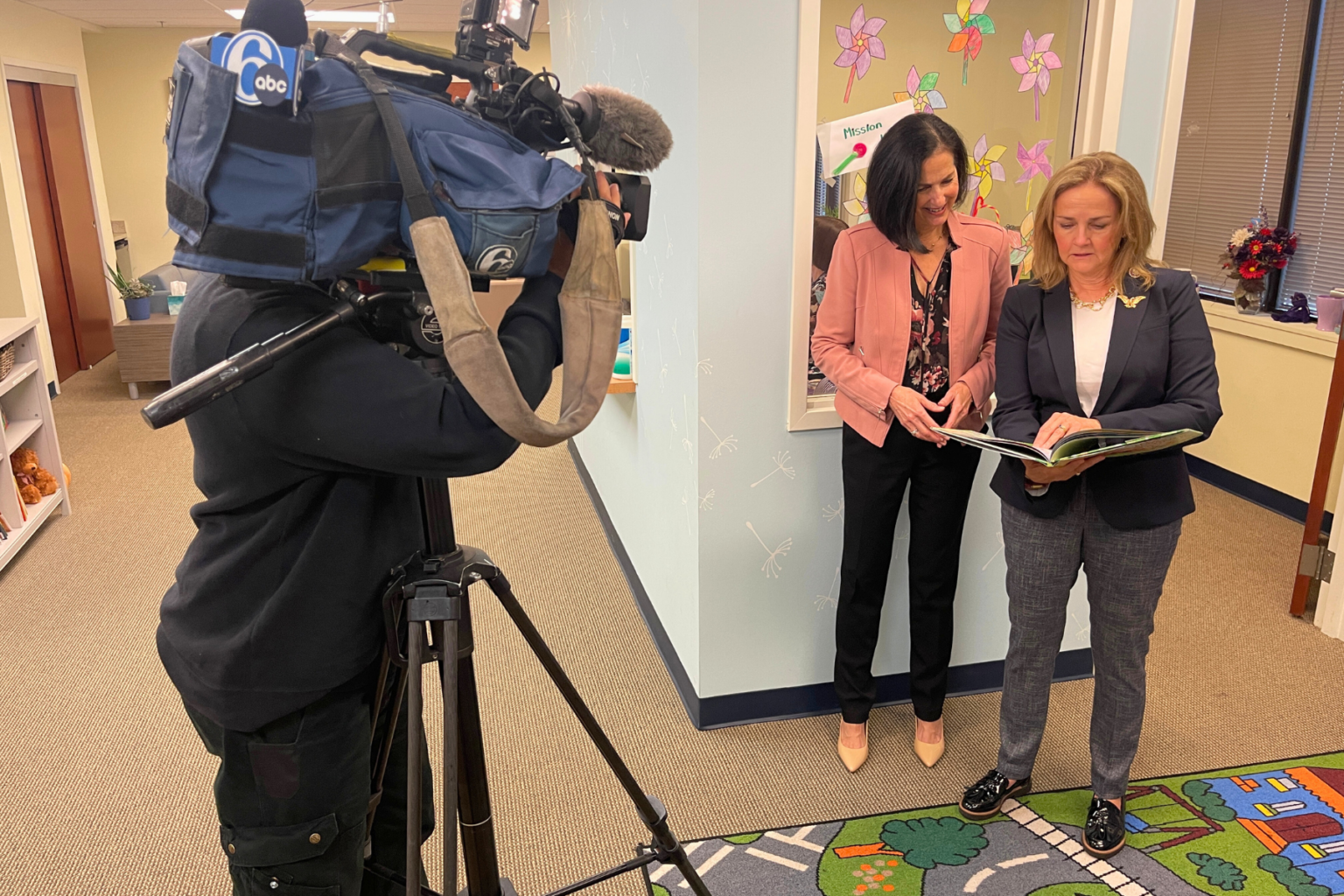
Michelle McDyre
Director of Prevention Education and Outreach
Helpful Book Resources
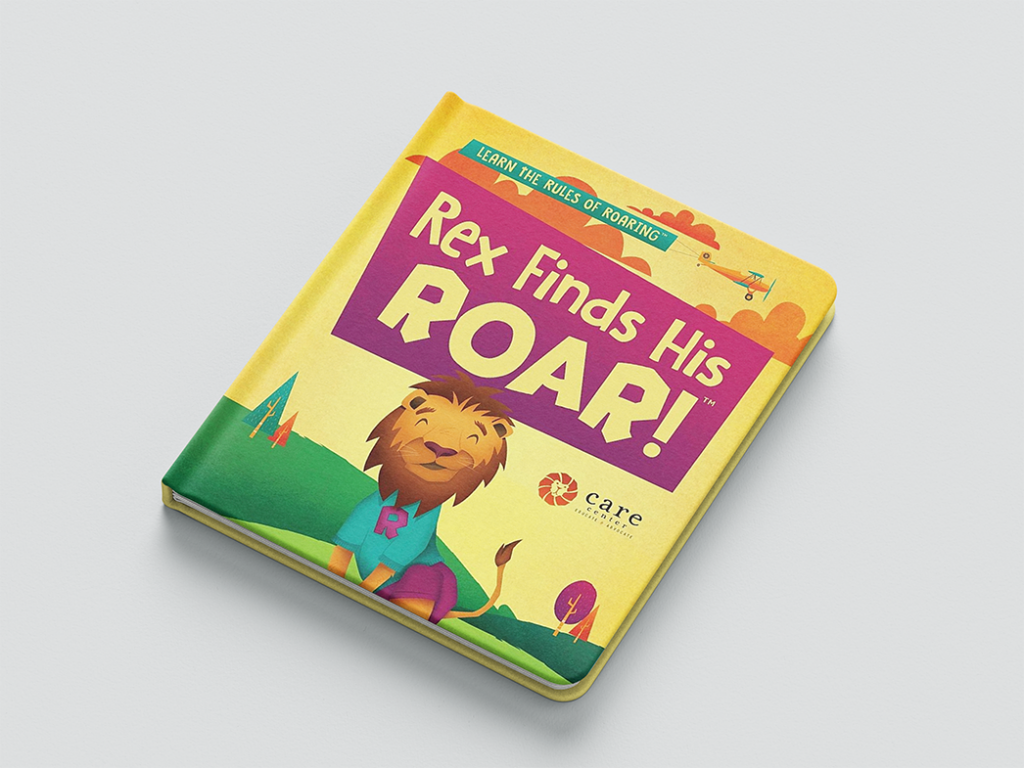
Rex Finds His ROAR
Written by: The Care Center
Rex Finds His ROAR teaches young children body safety through the story of Rex the lion. Kids learn the ROAR Rules: Remember privates are private, It’s okay to say no, Always talk about secrets, and Raise your voice and tell someone. Developed by The CARE Center, the book supports child abuse prevention programs with every purchase.
Who's The Boss Of This Body
Written by: Meghan Hurley Backofen, LCSW
This book empowers parents to discuss child sexual abuse safely and confidently, teaching children about the “uh oh” feeling, body autonomy, and safe secrets. For more tips, check out Meghan’s podcast, 10 Tips for Sexual Abuse Prevention.
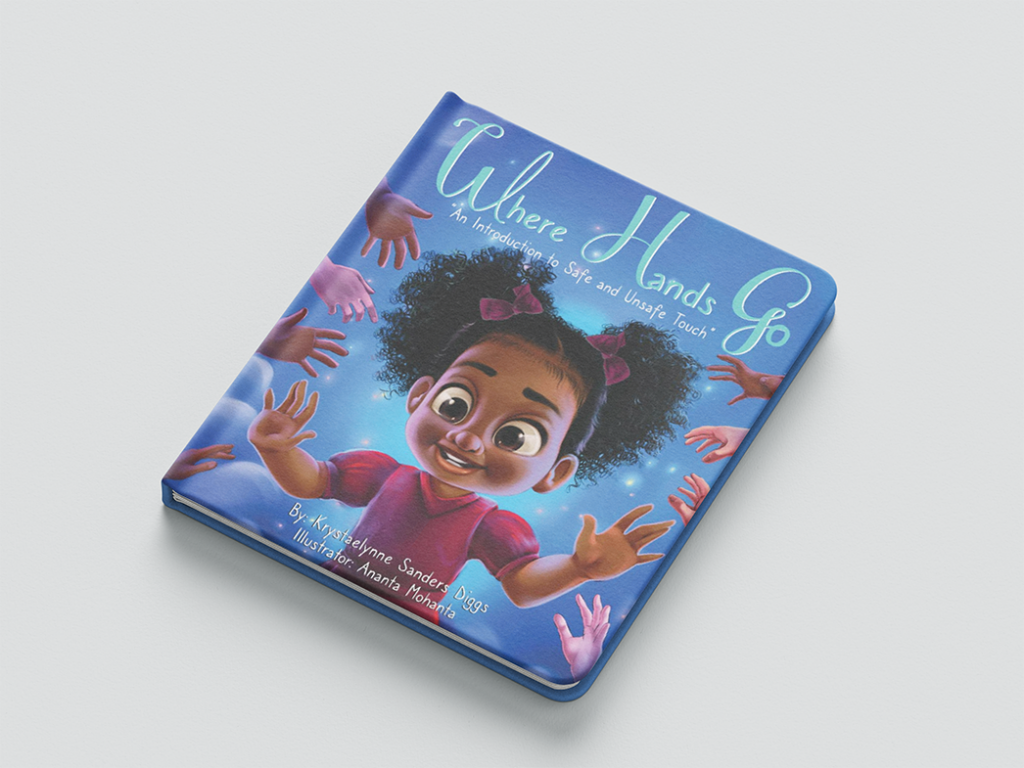
Where Hands Go: An Introduction to Safe and Unsafe Touch
Written by: Krystaelynne Sanders Diggs
Where Hands Go by Krystaelynne Sanders Diggs helps children understand body autonomy and recognize harmful touch. This empowering, age-appropriate resource is essential for parents, teachers, and caregivers.
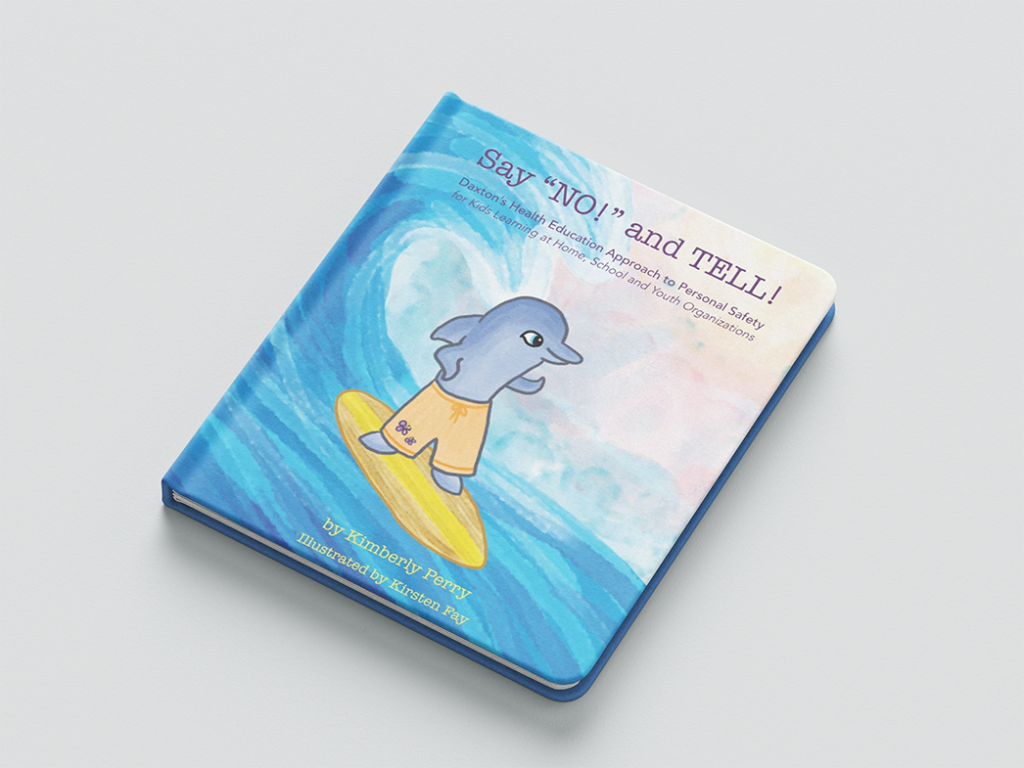
Say “NO!” and TELL!
Written by: Kimberly Perry
Say “NO!” and TELL! is a comprehensive resource that empowers children with personal safety skills to prevent abuse and exploitation. Through engaging characters, fun science facts, and practical role-play scenarios, this book fosters open communication and teaches kids how to recognize and respond to unsafe situations.
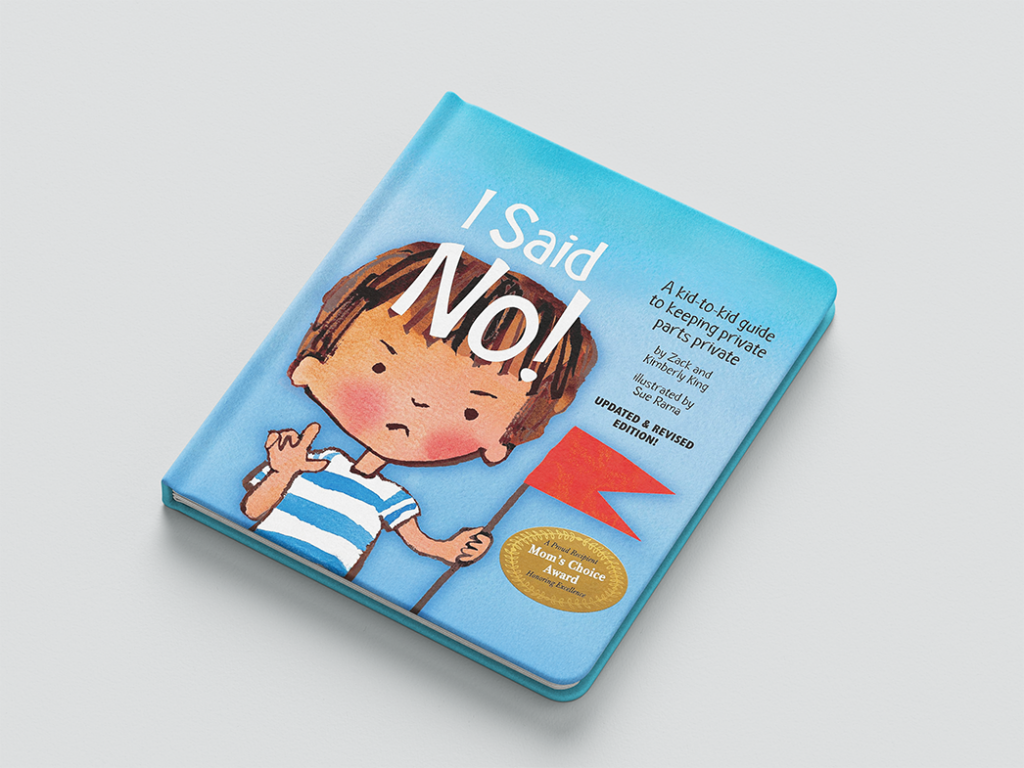
I Said No!
Written by: Kimberly and Zack King
This book empowers parents to discuss child sexual abuse safely and confidently, teaching children about the “uh oh” feeling, body autonomy, and safe secrets. For more tips, check out Meghan’s podcast, 10 Tips for Sexual Abuse Prevention.
Educational Sessions For Parents & Caregivers
Smarter Parents
Stewards of Children
Protect & Play: Family Online Safety Night
Protectors’ Corner: Safety Tips, Insights & Trends for Caregivers
Stay informed with practical tools, expert tips, and the latest trends in both online and everyday safety—designed to help parents and caregivers support children confidently and responsibly.
When Technology Abuses: Confronting the Exploitation Crisis for Kids
The Hidden Holiday Crisis: Protecting Kids When Abuse is Overlooked
When Kids Ask Hard Questions: What Every Parent Should Know
Resources for the Media: Reporting on Child Abuse Cases
The Next Step: Navigating Children's Questions About Body Safety
Child Abuse Acronyms Reference
Learn about other services available through Mission Kids